




By Sonu Tyagi, Founder, Go Spiritual & Approach Entertainment
We spend our lives accumulating wealth, property and possessions, often forgetting that nothing material can accompany us beyond death. True spirituality reminds us that the real value of wealth lies not in how much we possess, but in how much good we do with it while we are alive.
There is a thought-provoking saying: “The greatest philanthropist is the miser who leaves all his wealth behind for others.” At first, it sounds humorous, almost like a joke about human greed. But when we reflect on it deeply, it reveals one of the greatest truths of human existence. We spend our lives earning, saving, accumulating and protecting wealth, yet when our journey ends, everything we have collected remains behind. The money we refused to spend, the property we fought to acquire and the possessions we guarded so carefully eventually pass into the hands of others.
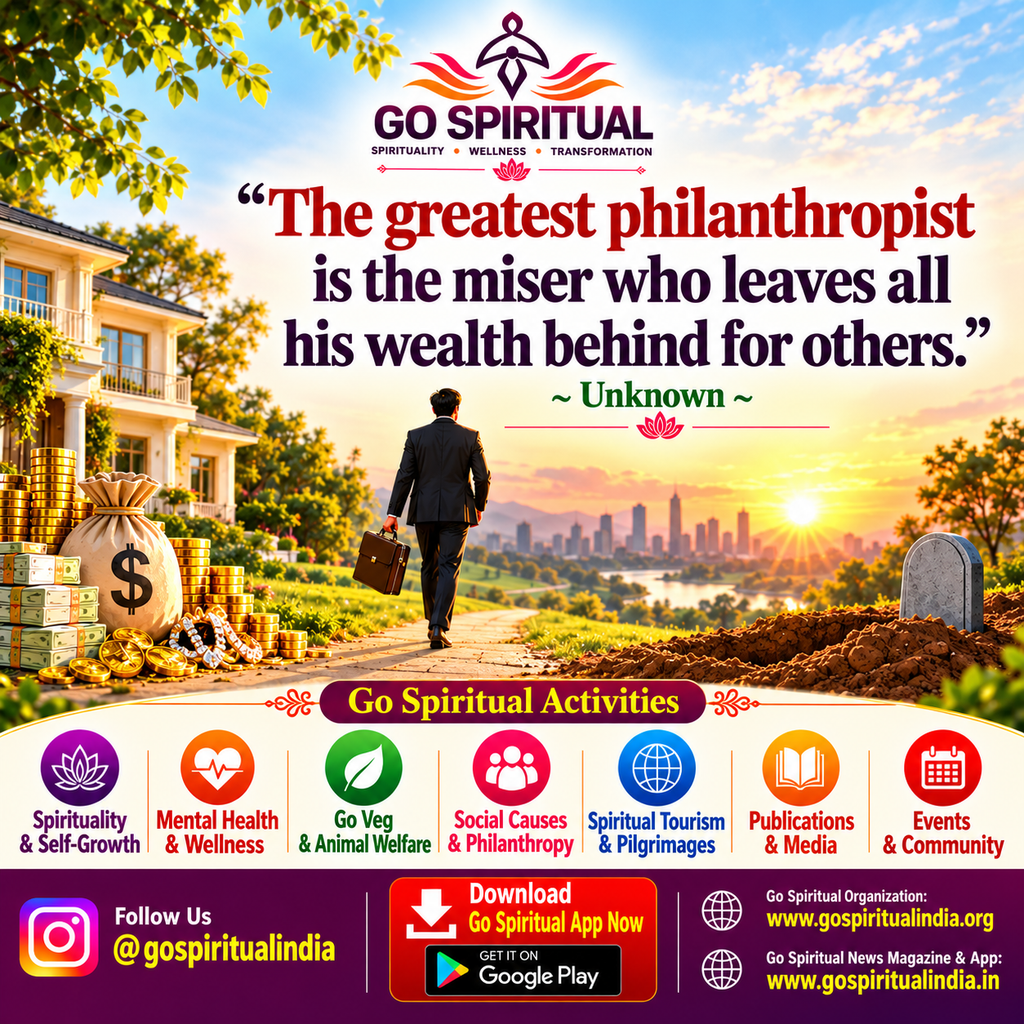
The irony is that a miser may spend an entire lifetime refusing to share even a small portion of his wealth, only to leave everything behind when death arrives. He may never have intended to become a philanthropist, but his accumulated wealth will ultimately benefit someone else. What makes this observation spiritually powerful is the reminder that we can own wealth during our lifetime, but we cannot own it forever.
Money is undoubtedly important. It provides security, comfort, education, healthcare and opportunities. It helps us support our families, fulfil responsibilities and live with dignity. There is nothing inherently wrong with earning money, building businesses, creating wealth or enjoying the rewards of honest work. In fact, responsible wealth creation can contribute to employment, economic development and social progress. The problem begins when money stops being a means to live and becomes the only purpose of living.

We often see people who have accumulated considerable wealth but remain deeply insecure about losing even a small part of it. They may own luxurious houses but struggle to experience peace within them. They may possess expensive cars but have little time to enjoy the journey of life. They may have enough money to support several generations, yet continue sacrificing relationships, health, happiness and emotional wellbeing in the endless pursuit of more.
This raises a simple question: How much wealth is enough?
For someone struggling to provide food, education and shelter for a family, earning more money is a genuine necessity. But for someone who already has more than enough, the pursuit of endless accumulation can gradually become an attachment that no amount of money can satisfy. One crore becomes ten crores, ten becomes a hundred, and a hundred becomes a thousand. The numbers change, but the desire for more often remains the same.
Spirituality does not necessarily ask us to abandon wealth. It asks us to understand our relationship with it. The Bhagavad Gita teaches the importance of performing one’s duties without becoming enslaved by attachment to the results. This wisdom is relevant not only to spiritual seekers but also to entrepreneurs, professionals, business leaders and anyone navigating the pressures of modern life.
Wealth should serve human life. Human life should not become a servant of wealth.
One of the greatest illusions of material success is the belief that possessions make us permanent. We buy houses as though we will live in them forever. We accumulate land as though the earth belongs to us. We fight over inheritance, property and financial interests as though these things will accompany us beyond death. Yet history repeatedly reminds us that even the wealthiest and most powerful individuals eventually leave the world with nothing material in their hands.
A person may spend decades building an empire, but one day someone else will sit in the same office, live in the same house, drive the same car and manage the same bank accounts. The world continues, businesses continue, and life moves forward. What remains of the individual is not merely the wealth accumulated but the influence, relationships, kindness and contribution left behind.
This is where the difference between wealth and a meaningful legacy becomes important.
A wealthy person may be remembered for the size of an estate, but a compassionate person is remembered for the lives they touched. Someone who helped educate disadvantaged children, supported a struggling family, cared for abandoned animals, funded medical treatment or stood beside a person during a difficult time creates something more enduring than material possessions. Such acts become part of other people’s lives and memories.
Through Go Spiritual, we have consistently emphasised the importance of spirituality, philanthropy, social causes, mental health and wellness, animal welfare and compassion towards all living beings. I believe that these values should not be treated as activities reserved for retirement or the final years of life. They should become part of our everyday existence.
Many people say they will begin helping others after they become sufficiently wealthy. They promise themselves that once their business reaches a particular level, once their investments grow or once their financial responsibilities are completed, they will devote time and resources to charitable work. But life does not always wait for our plans to be fulfilled.
Why should we postpone kindness until tomorrow when someone needs our help today?
Philanthropy is not the exclusive responsibility of billionaires. A person with limited financial resources who shares a meal with someone hungry may demonstrate greater generosity of spirit than a wealthy individual who contributes a large sum merely for publicity. True giving is not measured only by the amount donated. It is also measured by intention, compassion and the difference it makes.
Sometimes, the greatest contribution requires no money at all. Spending time with lonely parents, supporting a friend experiencing emotional distress, helping an elderly neighbour, mentoring a young person or showing kindness to a vulnerable animal can be meaningful expressions of service.
We should also understand that saving money and being miserly are not the same thing. Financial discipline is a virtue. Responsible savings protect families from uncertainty and help us fulfil future obligations. A person who carefully manages money to educate children, support ageing parents or prepare for medical emergencies is acting responsibly. Miserliness begins when the fear of losing money becomes so powerful that it prevents a person from enjoying life, fulfilling reasonable responsibilities or showing compassion even when they have the means to do so.
Similarly, generosity should never mean neglecting one’s family or giving beyond one’s financial capacity. Spirituality encourages balance, not recklessness.
Another unfortunate reality is that excessive attachment to wealth can damage relationships. Families sometimes become divided over property. Brothers stop speaking to one another over inheritance. Friendships break because of financial disputes. People who once shared love and affection become strangers because possessions begin to matter more than human bonds.
What is the value of accumulating wealth if, in the process, we lose the very relationships that give life meaning?
There is also a deeper spiritual dimension to this discussion. Hindu philosophy speaks of Maya, a concept often associated with the illusion of permanence and our attachment to the changing material world. Money, status, possessions and worldly achievements are not necessarily evil, but they are temporary. When we mistake temporary things for the ultimate purpose of existence, disappointment and suffering become more likely.
A spiritually aware person can enjoy material success without allowing it to define their entire identity. Such a person understands that wealth may increase or decrease, professional positions may change and social recognition may fade, but values such as truthfulness, compassion, humility and kindness remain worthy of cultivation.
We must also remember that death is the great equaliser. It does not distinguish between a billionaire and a labourer, a famous personality and an ordinary citizen, or someone living in a palace and someone living in a modest home. Every human being eventually faces the same fundamental reality: our time here is limited.
This awareness should not make us fearful or pessimistic. On the contrary, it should inspire us to live more consciously. We should work hard, achieve our ambitions, build successful enterprises and provide for our loved ones. But we should also make time for relationships, enjoy simple moments, care for our physical and mental wellbeing and contribute something positive to the world.
Perhaps the greatest tragedy is not dying with wealth. It is living without understanding what wealth was meant for.
I often feel that people spend the first half of their lives sacrificing their health and happiness to earn money, and then spend the second half trying to recover what they have lost. Many discover too late that peace cannot simply be purchased, genuine relationships cannot be manufactured through financial power and lost time cannot be recovered from a bank account.
The spiritual purpose of wealth should be to create security without arrogance, comfort without excess, success without exploitation and generosity without expectation.
We do not need to reject ambition. We need to give ambition a higher purpose.
Imagine a society in which successful entrepreneurs consider social responsibility a natural part of business, families teach children the value of sharing, individuals support causes close to their hearts and wealth becomes an instrument for reducing suffering rather than displaying superiority. Such a society would be materially productive and spiritually richer.
The saying about the miser who leaves everything behind is therefore more than a clever observation. It is a warning against postponing the meaningful use of our resources until life itself makes the decision for us.
If we are eventually going to leave everything behind, why not consciously share some of it while we can still experience the happiness of giving? Why not help someone today rather than allowing our wealth to remain untouched until it passes to others? Why not create memories, strengthen relationships, support worthwhile causes and make a difference while we still have the opportunity?
The real question is not how much money we will leave behind. It is how much love, compassion, goodwill and positive change we will leave in the world.
Earn wealth, but do not become its prisoner. Save responsibly, but do not forget to live. Build success, but never lose your humanity. And when you have enough, remember those who have far less.
Because in the end, we will all leave our material possessions behind. What matters is whether we used them wisely while we were here.
The greatest philanthropist should not be the miser who unwillingly leaves everything behind after death. The greatest philanthropist should be the person who understands the value of giving while still alive.
That is the true spiritual lesson of wealth, generosity and the meaning of life.
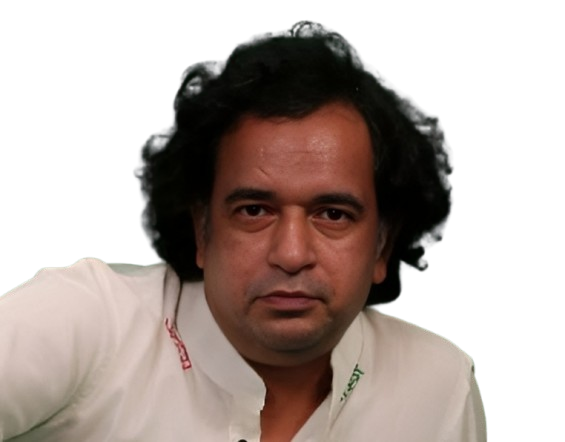
About the Author: Sonu Tyagi is an award-winning writer, director, producer and Founder of Go Spiritual & Approach Entertainment. Through Go Spiritual, he advocates spirituality, philanthropy, mental health and wellness, vegetarianism, animal welfare, spiritual tourism and compassionate living.
Go Spiritual Organisation: www.gospiritualindia.org
Sonu Tyagi: www.sonutyagi.com