


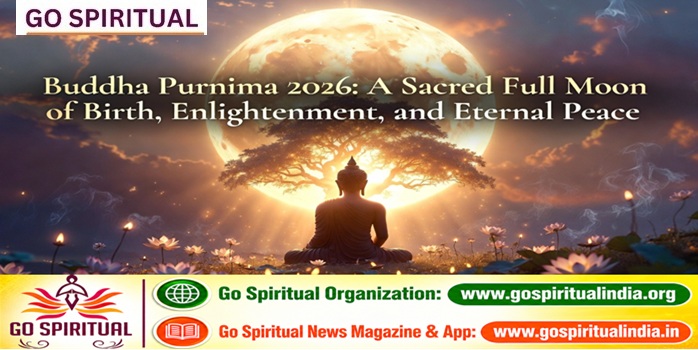

Mumbai, May 1, 2026 — As the full moon rises on Vaishakha Purnima this evening, millions of devotees across India and the world are observing Buddha Purnima, also known as Buddha Jayanti or Vesak. This auspicious day marks the 2588th birth anniversary of Gautama Buddha and holds profound triple significance: the birth of Prince Siddhartha Gautama in Lumbini, his attainment of enlightenment (Bodhi) under the sacred Bodhi tree in Bodh Gaya, and his Mahaparinirvana (final passing) in Kushinagar — all believed to have occurred on the same full moon day.
According to the Panchang, the Purnima Tithi begins on April 30, 2026, at around 9:12 PM and ends on May 1 at approximately 10:52 PM. Moonrise is expected around 6:52 PM, making May 1 the primary day of celebration in India and Nepal.
The Life and Timeless Wisdom of the Enlightened One
Born as Siddhartha Gautama around 563 BCE to King Suddhodana and Queen Maya in the Shakya clan, the prince lived a sheltered life of luxury. At 29, moved by the sight of human suffering — old age, illness, death, and an ascetic — he renounced his royal life in search of truth. After years of intense meditation and austerity, he attained supreme enlightenment at 35, becoming the Buddha (the Awakened One).
Buddha’s core teachings — the Four Noble Truths and the Noble Eightfold Path — offer a practical roadmap out of suffering (dukkha). He emphasized Ahimsa (non-violence), compassion (Karuna), mindfulness, and the Middle Way, a balanced path avoiding extremes. In India, where he is also revered as the ninth avatar of Lord Vishnu in certain traditions, his message of inner peace and ethical living continues to inspire Hindus and Buddhists alike.
On this day, his words resonate deeply: “Peace comes from within. Do not seek it without.” And “Hatred does not cease by hatred, but only by love; this is the eternal rule.”

Celebrations Across India and Beyond
In India, Buddha Purnima is a gazetted holiday in several states, including Maharashtra (where Mumbai falls), Uttar Pradesh, Bihar, and others. Devotees flock to sacred sites:
- Bodh Gaya — site of enlightenment, where the Mahabodhi Temple glows with lamps and prayers.
- Sarnath — where Buddha delivered his first sermon.
- Kushinagar — associated with his Mahaparinirvana.
- Lumbini (in Nepal) — the birthplace.
Temples and viharas come alive with chanting of sutras, meditation sessions, offerings of flowers, incense, fruits, and candles. Many observe fasting or vegetarian diets, practice Dana (charity), and engage in acts of kindness. Processions, lantern releases, and discourses on Dharma are common.
In Mumbai and Maharashtra, Buddhist communities, including followers of Dr. B.R. Ambedkar’s Navayana tradition, gather at viharas for prayers and cultural programs. Homes and public spaces are adorned with Buddha statues, lotus flowers, and serene decorations symbolizing purity and awakening.
Globally, Vesak is celebrated with similar reverence in countries like Sri Lanka, Thailand, Myanmar, Bhutan, and among Tibetan Buddhists, often featuring colorful processions and community service.
A Call to Inner Awakening in Turbulent Times
Spiritual leaders remind us that Buddha Purnima is not merely a commemoration but an invitation to personal transformation. His Holiness the Dalai Lama has often described the day as an opportunity to cultivate “warm-heartedness and compassion” in daily life, urging followers to lead meaningful lives rooted in ethical conduct and mindfulness.
In a world facing conflict, environmental challenges, and mental health struggles, Buddha’s emphasis on equanimity, non-attachment, and universal compassion feels especially relevant. Practitioners are encouraged to meditate, reflect on the impermanence of life, and perform selfless service.
How to Observe Buddha Purnima Spiritually
- Morning prayers and meditation: Visit a local temple or create a quiet altar at home with a Buddha statue, flowers, and a lit lamp.
- Recite teachings: Read from the Dhammapada or listen to discourses on the Four Noble Truths.
- Acts of merit: Donate to the needy, feed animals, or practice kindness without expectation.
- Evening lantern lighting: As the full moon rises, light candles or diyas symbolizing the dispelling of ignorance by wisdom.
As the moon illuminates the night sky on this sacred Purnima, Go Spiritual News wishes all readers inner peace and the light of wisdom. May the teachings of the Buddha guide humanity toward harmony, compassion, and liberation from suffering.
Buddham Sharanam Gacchami Dhammam Sharanam Gacchami Sangham Sharanam Gacchami
Om Mani Padme Hum. May all beings be happy and free from suffering.
Go Spiritual News Magazine & App — Illuminating the Path of Inner Awakening.