




By Sonu Tyagi, Founder, Go Spiritual & Approach Entertainment
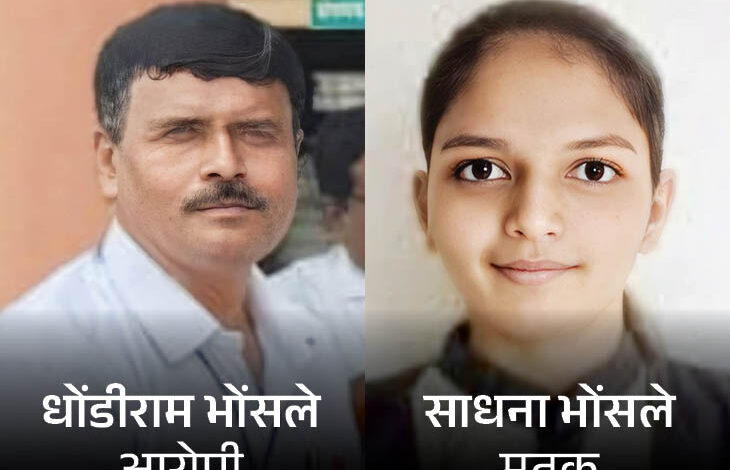
In a heart-wrenching incident in Sangli district, Maharashtra, a 17-year-old girl was allegedly murdered by her 48-year-old father, a high school physical education teacher named Dhondiram Bhosale, for failing a college exam. According to the police complaint filed by the girl’s mother, Bhosale assaulted his daughter with a wooden stick on a Friday night, leading to her death in a hospital. The case, registered under sections 103(1) of the Bharatiya Nyaya Sanhita (BNS) and Section 75 of the Juvenile Justice Act, 2015, has left a community in shock and sparked a broader conversation about why such extreme violence erupts over seemingly trivial matters. This tragedy is not an isolated one; it reflects a troubling trend of escalating aggression and a dire need for mental health awareness and spiritual grounding, as explored in this feature for Go Spiritual News Magazine & App.
A Disturbing Pattern of Violence
The Sangli incident is one of several recent cases in Maharashtra and beyond where minor disputes or perceived failures have led to fatal outcomes. In another case in Sangli, a 16-year-old girl was killed by her father for scoring low marks in a test, using a stone grinder handle as a weapon. In Kolhapur, a teacher and his minor son were arrested for murdering the man’s wife over domestic quarrels. These incidents point to a disturbing pattern: individuals resorting to extreme violence over issues like academic performance, personal disagreements, or societal pressures.
Dr. Anjali Sharma, a clinical psychologist based in Mumbai, attributes this trend to a combination of societal expectations and unaddressed mental health issues. “In India, academic success is often tied to family honor and social status. When children fail to meet these expectations, it can trigger intense emotional reactions in parents, especially if they’re grappling with their own stressors,” she explains. The pressure to conform to rigid standards, coupled with a lack of emotional regulation, can push individuals toward irrational and violent acts.
The Weight of Parental Expectations

Manisha Desai, a mental health expert working with schools and leading initiatives on mental health, offers a deeper perspective on the societal dynamics at play. “Parental expectations from children are often extremely high—and understandably so, given the immense struggles parents endure to ensure their children receive a good education, the intense competition for admission into schools, colleges, and higher studies, and the societal pressure on parents to see their children succeed, coupled with the stigma attached when those expectations are not met,” Desai says. “When children fail to meet these expectations, it is often seen as a sign of disrespect toward their parents’ sacrifices. But the reality is far more complex.”

Desai points out that despite their best efforts, many children are unable to meet academic standards for a variety of reasons: “They may not be intellectually inclined toward certain subjects. Their interests may lie in alternative fields like art, music, or acting. They may lack motivation due to emotional fatigue or lack of purpose. They could be silently battling inner emotional or mental health issues they feel unable to share.” She emphasizes that the young girl in Sangli, whose life was tragically cut short, “could have led a meaningful life contributing to society in her own way, while being a caring and devoted daughter.”
The Mental Health Crisis
Mental health remains a stigmatized topic in many parts of India, despite growing awareness in urban areas. According to the National Mental Health Survey (2015-16), nearly 15% of Indian adults require mental health intervention, yet access to professional care is limited, especially in rural areas like Sangli. In the case of Dhondiram Bhosale, police reports suggest no prior history of mental illness was documented, but the extreme nature of his reaction raises questions about underlying psychological distress.
“Anger is often a mask for deeper issues like anxiety, depression, or unresolved trauma,” says Dr. Sharma. “When people lack tools to process these emotions—through therapy, community support, or spiritual practices—they can spiral into destructive behavior.” The absence of mental health resources in schools and workplaces exacerbates this problem, leaving individuals like Bhosale without outlets to manage their frustrations constructively.
A Path to Prevention Through Compassion
Desai advocates for a more balanced, mature, and compassionate approach to prevent such tragedies. “A response grounded in emotional understanding and spiritual calm might have prevented this irreversible loss,” she says. To address these issues, she suggests focusing on several key areas:
- Cultivating the ability to understand the inner voice and emotional struggles of children.
- Encouraging open and honest dialogue between parents and children.
- Avoiding undue importance to societal expectations or pressure regarding children’s academic or career performance.
- Nurturing a friendly relationship where children feel safe to share their vulnerabilities and emotional challenges.
- Expanding the parental outlook to not just provide care and love, but also foster deep empathy, compassion, and true understanding of their children as unique individuals.
Desai adds, “It is important to excel and succeed in life—but equally important is for society to understand that life is not a one-time competition. Sometimes we win, and sometimes we lose. Rather than punishing or looking down upon those who fall short, we must offer them understanding, compassion, and a renewed opportunity—so they may rise again with strength and dignity.”
The Role of Spirituality in Healing
For centuries, spirituality has been a cornerstone of emotional resilience in India, offering tools like meditation, yoga, and mindfulness to navigate life’s challenges. However, modern societal pressures have distanced many from these practices. Swami Ananda, a spiritual teacher from Pune, believes that reconnecting with spirituality can prevent such tragedies. “Spirituality teaches us to see beyond the ego’s demands—whether it’s a child’s exam results or personal pride. It fosters compassion and patience, which are antidotes to anger,” he says.
Swami Ananda points to practices like sadhana (daily spiritual discipline) and satsang (community gatherings for spiritual discourse) as ways to cultivate inner peace. “When we align with our higher self, we stop reacting impulsively to life’s ups and downs,” he adds. In the context of the Sangli tragedy, he suggests that spiritual guidance could have helped Bhosale view his daughter’s failure as a temporary setback rather than a personal affront.
A Societal Wake-Up Call
The Sangli case highlights the need for systemic change. Schools and colleges must integrate mental health education into their curricula, teaching students and parents how to cope with failure and stress. Community-driven initiatives, such as counseling centers in rural areas, could provide accessible support. Additionally, spiritual organizations can play a role by offering workshops that blend psychological tools with traditional practices, making them relevant to modern challenges.
Posts on X reflect public outrage and concern over the Sangli incident, with many users calling for stricter laws and better mental health support. One user wrote, “How can a father kill his own child over an exam? We need to talk about mental health before more lives are lost.” Another emphasized the role of spirituality, stating, “Our society needs to return to values of love and understanding, not violence.” These sentiments underscore a collective yearning for solutions that address both the mind and the soul.
Moving Forward with Compassion
The tragic death of a young girl in Sangli is a stark reminder of the consequences of unchecked anger and societal pressures. As a society, we must prioritize mental health resources, destigmatize seeking help, and revive spiritual practices that promote empathy and resilience. For Go Spiritual News Magazine & App readers, this is a call to action: engage in mindfulness, support community mental health initiatives, and advocate for a culture that values human lives over transient achievements.
If you or someone you know is struggling with anger or mental health challenges, reach out to local helplines or seek guidance from Mental Health experts and spiritual mentors. Together, we can build a world where love and understanding triumph over violence.

Sonu Tyagi Intro : Sonu Tyagi is an acclaimed writer, director, and producer & Founder of Go Spiritual and Approach Entertainment, dedicated to inspiring meaningful lives through spirituality and creativity. As the founder of Approach Entertainment, he leads a dynamic organization specializing in celebrity management, film production, advertising, corporate films, film marketing, and events. Tyagi also heads Approach Communications, a top PR and integrated communications agency, and Approach Bollywood, a platform for Bollywood and entertainment news.
A passionate advocate for spirituality, he founded Go Spiritual, a social enterprise focused on spiritual awareness, philanthropy, mental health, wellness, media, spiritual tourism, events, organic living, and social causes, including the launch of Go Spiritual News Magazine & App. With a background in psychology, advertising management, journalism, and filmmaking, Sonu Tyagi brings a unique blend of creativity and leadership to his work, collaborating with leading Indian advertising agencies and media houses.
For More Information: Go Spiritual & Approach Entertainment
9820965004 / 9716962242 Visit at www.approachentertainment.com & www.gospiritualindia.org
Download Go Spiritual News Magazine App Now. https://play.google.com/store/apps/details?id=com.spiritual.gospiritual&hl=en