


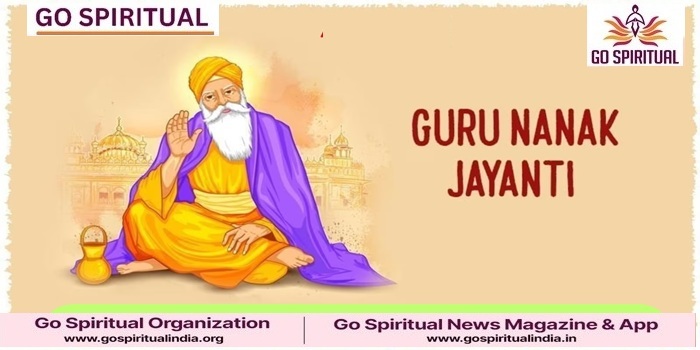

Guru Nanak Jayanti, revered as Gurpurab, celebrates the life and teachings of Guru Nanak Dev Ji, the founder of Sikhism. Observed on the full moon of Kartik (Kartik Purnima), this sacred occasion illuminates the universal principles of equality, honest living, and selfless sharing that define his legacy.
Born in 1469 in Talwandi—now known as Nankana Sahib in present-day Pakistan—Guru Nanak challenged societal divisions of caste, gender, and religion. His core teachings rest on three pillars: Naam Japna (constant remembrance of the Divine), Kirat Karni (earning livelihood through honest means), and Vand Chakna (sharing earnings with those in need). His profound assertion—“There is no Hindu, there is no Muslim”—affirms the oneness of humanity under Ik Onkar, the One Creator whose light permeates all.
Sanctity of the Golden Temple
The Harmandir Sahib in Amritsar stands as the spiritual heart of Gurpurab observance. The Akhand Path—uninterrupted recitation of the Guru Granth Sahib—fills the sacred space with divine vibration. Devotees participate in Prabhat Pheri (early morning hymn processions) and nagar kirtan (community processions with music and scripture). A dip in the holy sarovar symbolizes inner purification, while the langar—free community kitchen—serves all without distinction, embodying Guru Nanak’s vision of equality as people sit together in pangat (rows), regardless of status.
The Akal Takht, the temporal seat of Sikh authority, upholds the message that true spirituality manifests through humility, integrity, and service to humanity.
Universal Resonance
Gurpurab transcends borders. Gurdwaras worldwide resonate with shabad kirtan (devotional hymns), communal meals, and acts of charity. Digital platforms now bring Guru Nanak’s bani (sacred compositions) to global audiences through translations, audio recitations, and virtual sanctum experiences.

Interfaith Harmony and Ethical Living
Guru Nanak’s travels—known as udasis—took him to Hindu, Muslim, Buddhist, and Jain centers, fostering dialogue rooted in shared truth. His emphasis on Ik Onkar continues to inspire interfaith understanding and mutual respect.
Modern expressions of Gurpurab include environmental awareness, reflecting Guru Nanak’s deep reverence for nature as a divine expression. Tree plantation drives and sustainable practices align spiritual duty with ecological responsibility.
Living the Teachings
For many, Gurpurab is lived experience. Elders pass down traditions of selfless service; youth apply principles of honesty and generosity in professional and personal spheres. The festival reinforces that spiritual growth emerges not from ritual alone, but from ethical conduct and compassion.
The day concludes with Rehras Sahib evening prayers and the distribution of karah prasad—a blessed sweet offering symbolizing divine grace shared equally.
Guru Nanak’s closing mantra echoes eternally: “Nanak naam chardi kala, tere bhane sarbat da bhala” With the Divine Name comes rising spirit; by Your will, may all beings prosper.
Go Spiritual News Magazine invites readers to explore Sikh wisdom, sacred hymns, and visual reflections of faith through our app.
Waheguru Ji Ka Khalsa, Waheguru Ji Ki Fateh!
Download Go Spiritual News Magazine App Now. https://play.google.com/store/apps/details?id=com.spiritual.gospiritual&hl=en_IN